

Air Leak Detection and Repair Services in Kent, WA
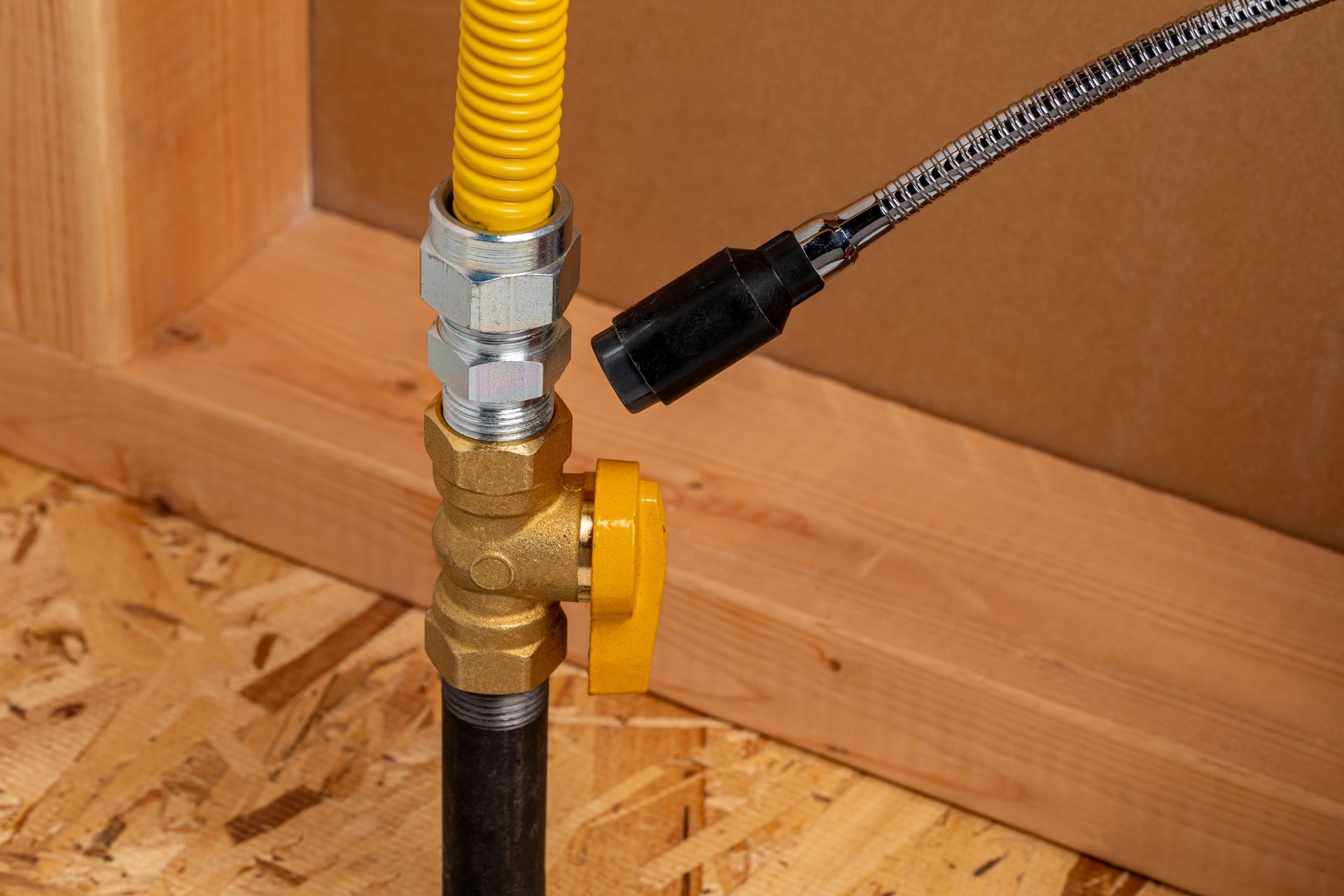
An air leak in the home can significantly impact energy efficiency, comfort, and indoor air quality. Ace Crawlspace Pro provides air leak detection and repair services throughout Kent, focusing on the areas most prone to air infiltration, including crawlspaces, attics, and foundation penetrations. Identifying and sealing an air leak early prevents ongoing energy loss and helps maintain consistent indoor temperatures.
Homes in Kent often develop an air leak around plumbing penetrations, electrical wiring, vents, and gaps in insulation. Because these areas are frequently hidden from view, an air leak can go unnoticed for years while quietly increasing energy costs. Ace Crawlspace Pro's approach to air leak detection combines visual inspection with targeted testing to locate problem areas accurately.
Schedule an air leak inspection for your Kent home today.
Common Sources of Air Leak Issues
An air leak typically originates from gaps or penetrations that allow outside air to enter the home or conditioned air to escape. Understanding where these leaks commonly occur helps homeowners recognize potential problem areas before they escalate.
Frequent Air Leak Locations
Crawlspace Penetrations
Gaps around pipes, wiring, and vents in the crawlspace are common sources of air leak issues that affect the floors above.
Attic Gaps
Recessed lighting fixtures, attic hatches, and duct penetrations frequently create an air leak that allows conditioned air to escape through the roof.
How Air Leak Detection Works
Air leak detection begins with a visual inspection of common problem areas, followed by testing methods designed to identify less obvious leaks. Once an air leak is located, our team determines the most effective sealing method based on the size and location of the gap.
Detection Methods
Visual Inspection
A visual inspection identifies obvious air leak sources such as gaps around penetrations, damaged weatherstripping, or visible daylight through foundation walls.
Pressure Testing
Pressure testing helps identify a less visible air leak by measuring airflow differences throughout the home's building envelope.
Request an air leak assessment before your next energy audit.
Sealing and Repairing an Air Leak
Once identified, an air leak is sealed using appropriate materials based on its location and size. Crawlspace air leaks are often addressed with spray foam or caulking around penetrations, while attic air leaks may require weatherstripping or foam sealant around fixtures and hatches. Addressing an air leak in these areas also supports better insulation performance throughout the home.
The Impact of Air Leak Issues on Energy Costs
An unaddressed air leak can substantially increase heating and cooling costs by allowing conditioned air to escape and outside air to enter. Sealing an air leak improves the effectiveness of existing insulation and reduces strain on HVAC systems throughout the year.
Contact Ace Crawlspace Pro to schedule air leak repair.
Frequently Asked Questions
What Does a Crawlspace Insulation Upgrade Include?
A crawlspace insulation upgrade typically includes removal of damaged insulation, moisture treatment, and installation of new moisture-resistant insulation materials.
How Do I Know if My Crawlspace Needs an Insulation Upgrade?
Cold floors, musty odors, visible moisture, or sagging insulation beneath the home are signs a crawlspace insulation upgrade is needed.
What Insulation Material is Best for a Crawlspace Insulation Upgrade?
Closed-cell foam and rigid foam board are commonly used in a crawlspace insulation upgrade due to their moisture resistance.
Does a Crawlspace Insulation Upgrade Include a Vapor Barrier?
Yes. Vapor barrier installation is typically included as part of a complete crawlspace insulation upgrade.
How Long Does a Crawlspace Insulation Upgrade Take?
Most crawlspace insulation upgrade projects are completed in one to two days depending on crawlspace size and condition.
Will a Crawlspace Insulation Upgrade Fix Cold Floors?
Yes. A crawlspace insulation upgrade directly addresses cold floor issues by reducing heat loss through the floor system.
Can a Crawlspace Insulation Upgrade Prevent Mold?
When paired with proper moisture control, a crawlspace insulation upgrade reduces the conditions that allow mold to develop.
Is Old Insulation Removed During a Crawlspace Insulation Upgrade?
Yes, particularly if the existing insulation is wet, moldy, or deteriorated, as leaving it in place would compromise the new materials.
How Often Should a Crawlspace Insulation Upgrade Be Performed?
Most crawlspaces benefit from an upgrade every 15 to 20 years, or sooner if moisture damage is present.
Does a Crawlspace Insulation Upgrade Help With Energy Bills?
Yes. Reducing heat loss through the crawlspace commonly leads to lower heating costs after a crawlspace insulation upgrade.
Is an Inspection Needed Before a Crawlspace Insulation Upgrade?
Yes. An inspection identifies moisture issues and existing insulation condition before recommending a crawlspace insulation upgrade plan.